From Pyramids to Mobile Tombs
The Roots of Funeral Culture
The Tradition of Funeral Rites as a Universal Cultural Language
The practice of placing human remains in architectural and artistic containers has accompanied humanity since the very dawn of civilization. Across continents, eras, and cultures, the same need recurs: to preserve memory, the continuity of the community, and to create a dignified space for the relationship between the living and the dead.
The pyramids of ancient Egypt, the ancient tombs of the Mediterranean, the pre-Columbian burial structures of the Americas, medieval crypts, Renaissance and Baroque chapels in Europe, and the family tombs of noble houses all share a common principle. Here, the form of burial is not merely a technical solution, but a cultural, symbolic, and spiritual expression of a society’s identity.
In Central Europe, this principle was clearly reflected in the tradition of burying monarchs, the aristocracy, and prominent figures in crypts, chapels, and tombs, often involving the repeated relocation of remains depending on historical, familial, or spiritual changes. The remains were not tied exclusively to a single place, but to the significance, form, and memory they embodied. Today, the Glass Soul project and its artistic urns consciously carry on this tradition.
Contemporary society is undergoing a fundamental transformation in funeral culture. Cremation is becoming the dominant form of disposing of remains, and along with it comes a growing need for new, personalized, and dignified solutions that reflect modern mobility, the changing nature of family structures, and the sensibilities of today’s people. This is precisely where Glass Soul and its artistic urns enter the conversation as a contemporary cultural response.
Continuing the Tradition
The Central European Tradition in a Global Context
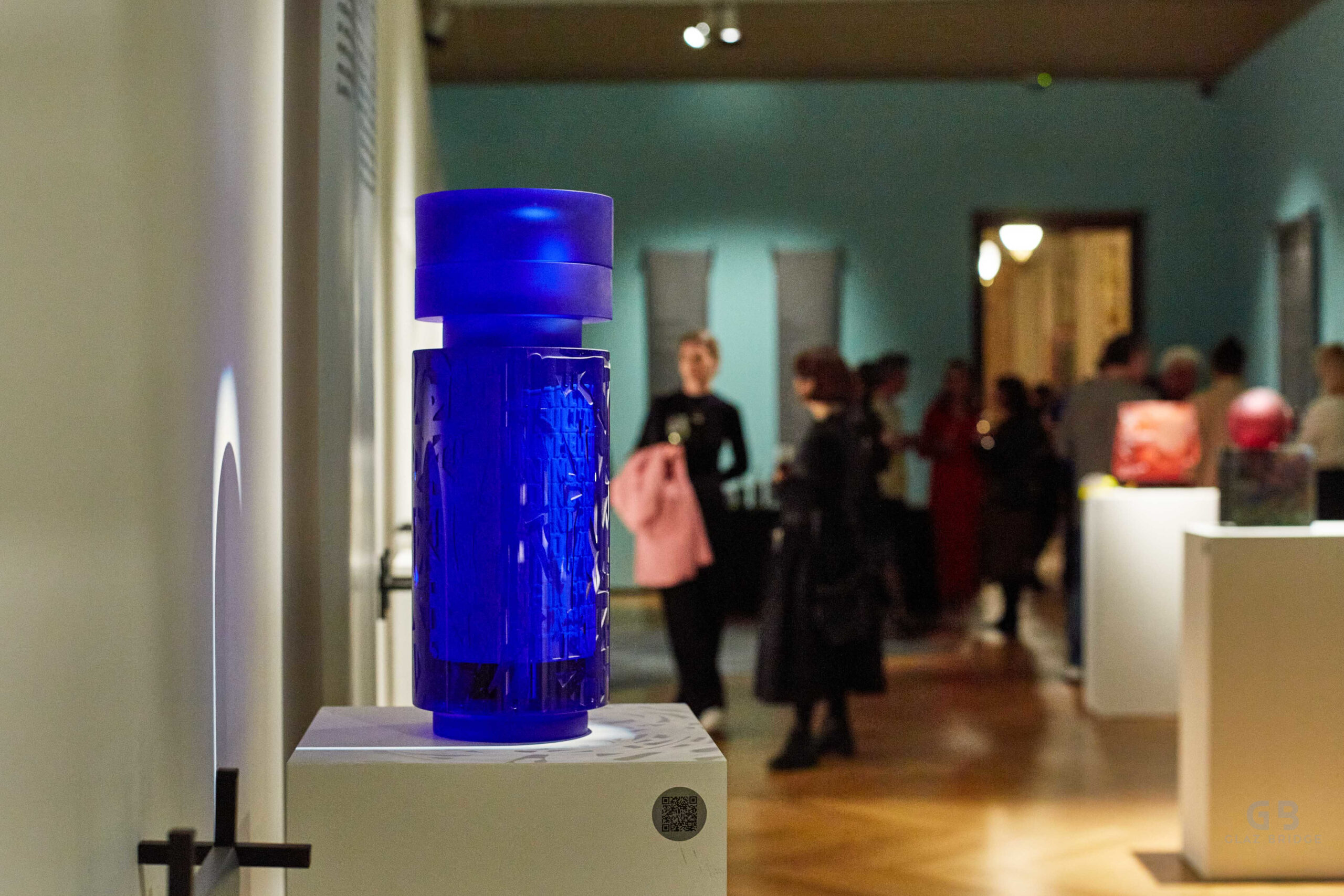
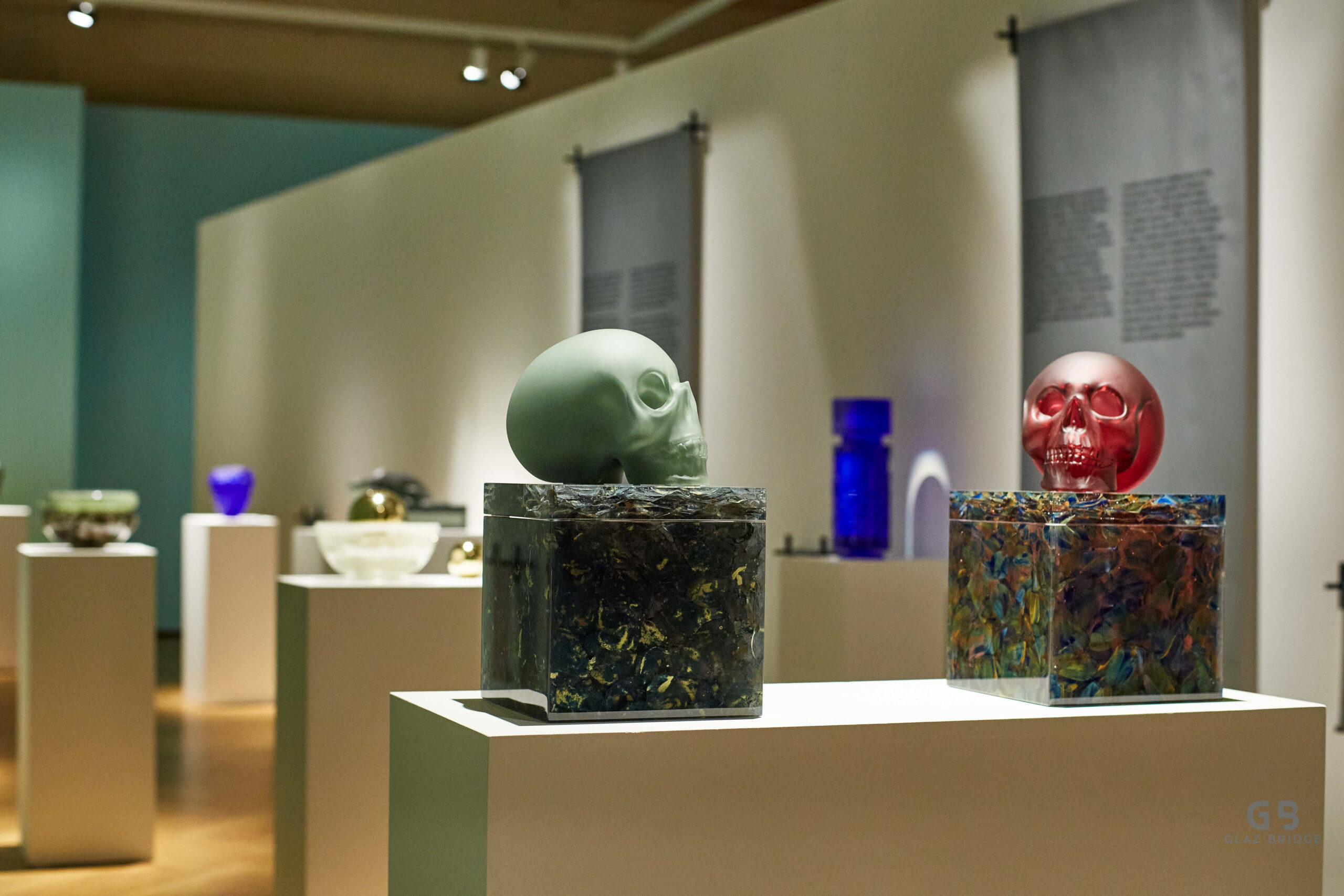
Glass Soul explores the concept of so-called “mobile tombs” through its original urns, which transcend the conventional understanding of a memorial object. Just as in the past, these containers are designed to be carried, shared within the family, and sensitively integrated into living spaces.
These urns function as intimate architecture of memory. They are not intended solely for holding remains, but also for preserving memories, symbolic objects, and a personal legacy. Mobility here does not mean a rejection of tradition, but rather its continuation within a new cultural framework.
Just as European nobles once journeyed between family tombs, chapels, and places of spiritual significance, today Glass Soul urns can travel between homes, cities, and continents. Memory is thus not interrupted; it merely shifts naturally through space and time.
Cultural Connections
Art as a Bridge Between Cultures
The Glass Soul project represents the contemporary manifestation of an ancient tradition shared by all of humanity, regardless of geography. Its urns create a space where Central European craft culture meets a global understanding of death, memory, and identity.
Glass Soul urns serve as a silent bridge between the past and the present, between different cultural worlds, and between memory and the present.
At this intersection lies the opportunity for an international museum dialogue on how different—yet interconnected—civilizations address the most fundamental human themes: departure, memory, and the continuation of relationships.