History
Ancient Times
Protection of the Dead and Urns
Glass has accompanied humanity in moments of death, farewell, and the preservation of memory for more than two thousand years.
In ancient Egypt, small glass amuletsthat were placed among the mummy’s bandages. They were not meant to be admired by the living—they were intended to serve a purpose for the deceased.
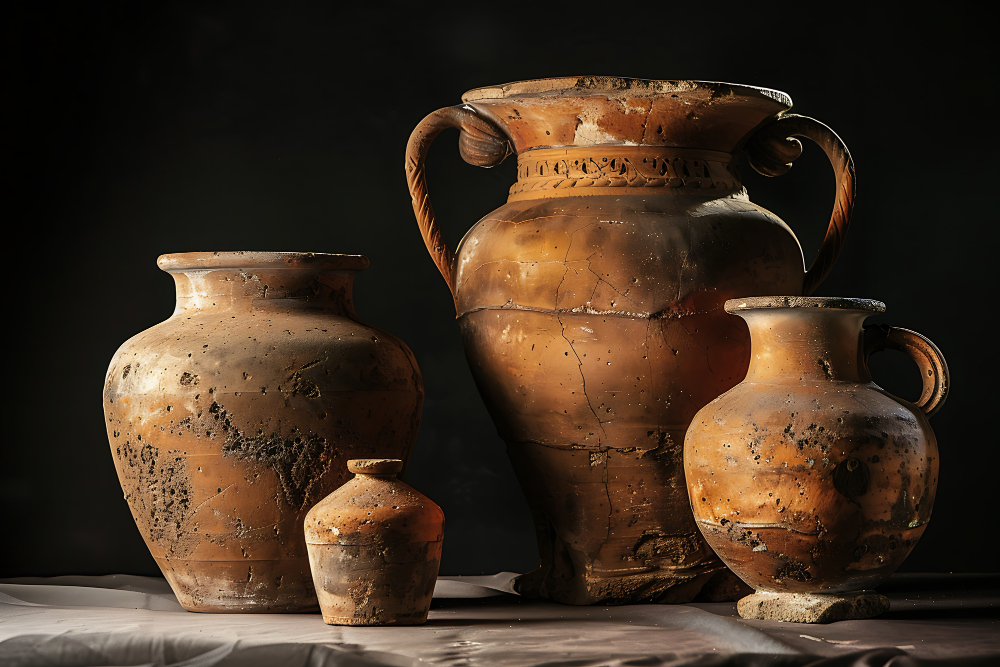
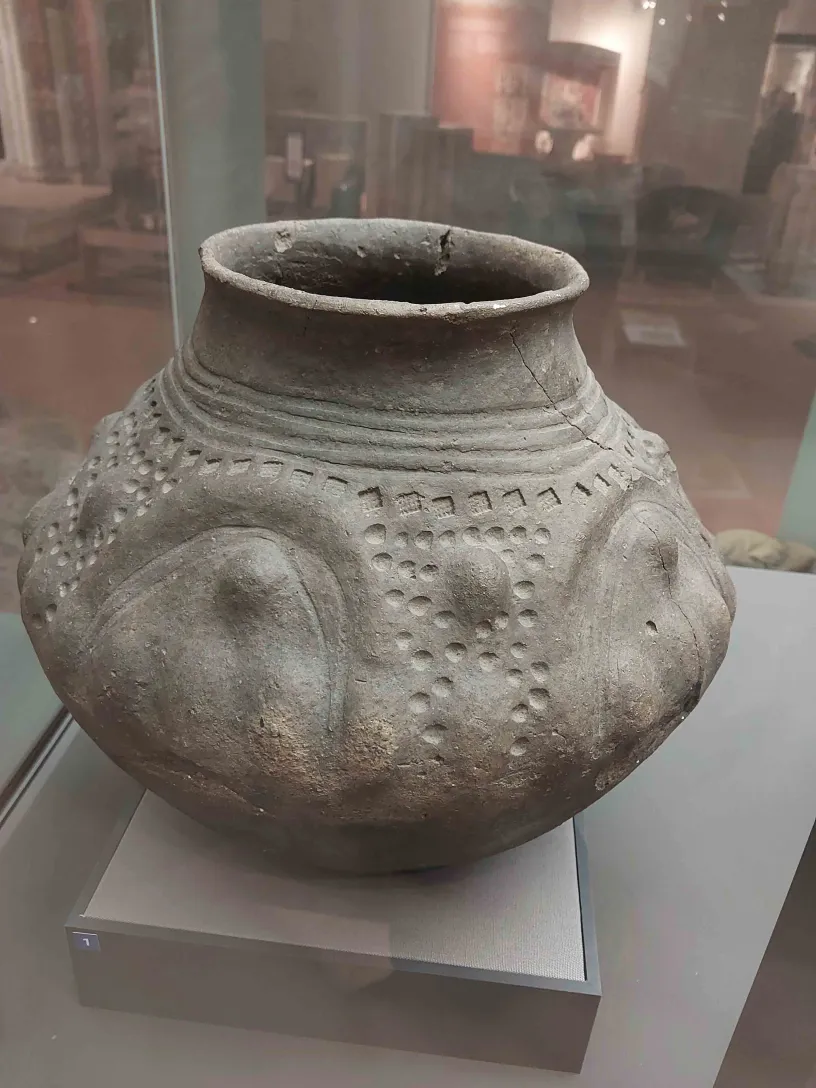
During the Roman period, blown glass became a vessel for human ashes. Some Roman glass urns have even been preserved with the original remains still inside. The glass urn, therefore, is not a modern invention—its history in Europe dates back nearly two thousand years.
Late Antiquity and the Middle Ages
From the Vessel to Memory and Light
In the 3rd and 4th centuries, glass began to serve as a means of preserving a person’s identity as well.
The technique of gold glass—fondi d’oro —concealed portraits and symbols between layers of glass. Glass medallions were embedded in the walls of Roman catacombs as commemorative markers for graves.
In the Middle Ages, the urn receded into the background, but glass did not disappear from the world of memory. It shifted into the sacred realm, stained glass and light. Stone separates spaces. Light passes through glass.
Czech Tradition
Czech Glass and the Culture of Mourning
The connection between glass and death has its own unique history in the Czech lands.
An enameled cup of the Polná Funeral Brotherhood from 1691 is considered the oldest surviving goblet of its kind. It depicts a funeral procession and was part of the rituals of a community that cared for its dead.
In the 19th century, Czech black glass became part of European mourning culture. A collection of mourning jewelry at the British Museum was likely made in Bohemia and sold in London. Bohemian glass helped people publicly express both their loss and their remembrance.

The Transformation of Ritual
Memory Enters Personal Space
In the 20th century, monumental funerary art gave way to mass-produced items.
With the spread of cremation, the ritual became simpler, and where art commissions, it was often replaced by mass-produced funeral goods.
Today, the memory of the deceased returns from the cemetery home—into an interior, a piece of jewelry, or an art object. A traditional grave says, “Here lies.” A contemporary memorial object might say, “They are still with me.”
Why Glass?
A material full of contrasts
Glass is strong yet fragile. It is solid, yet light passes through it.
It is formed in extreme heat through a slow transformation—just like cremation, it, too, is a transformation through fire. It can express presence and absence, fragility and permanence, loss and continuity.
Czech Fused glass is one of the most demanding disciplines in glassmaking. Figures such as Stanislav Libenský and Jaroslava Brychtová have used it to create a globally respected artistic language, which today’s Czech glassmakers continue to build upon.

Glass Soul
The Return of the Funeral Object to the Realm of Art
Glass Soul isn’t inventing the connection between glass and death. It’s giving it a contemporary form.
The project features the collaboration of prominent Czech artists, glassmakers, sculptors, architects, and designers. The result is not mass-produced urns, but one-of-a-kind objectsin which function, sculpture, light, and personal stories converge.
The first major exhibition of the collection took place in 2023 at the Museum of Decorative Arts in Prague under the title Glass Soul. The Return of Funerary Sculpture.
Body → vessel → symbol → memory → presence